Understanding Your Siding Options: An Overview
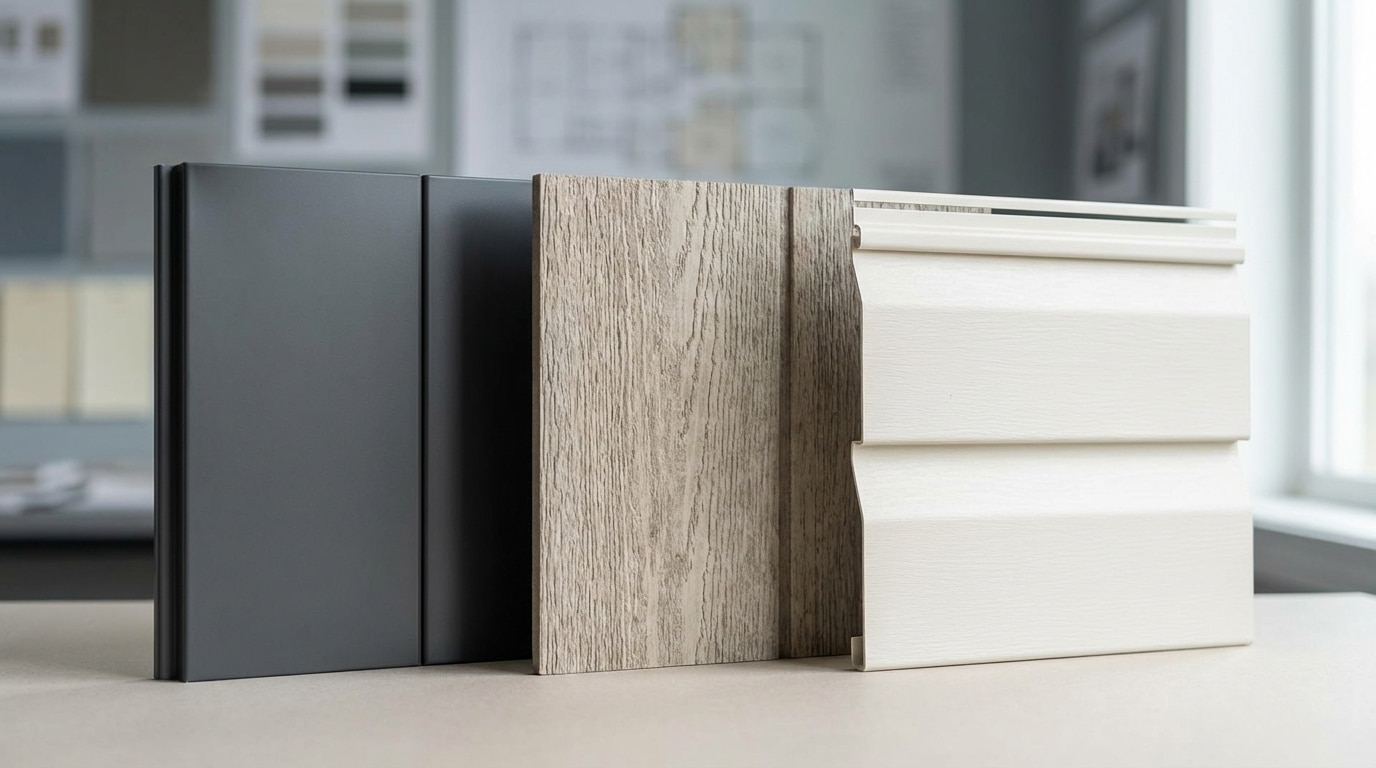
Choosing your home’s exterior siding is one of the most critical decisions you’ll make for its protection and curb appeal. The right material acts as the primary shield against Utah’s harsh sun, heavy snow, and dramatic temperature swings. We created this guide using our 14+ years of experience installing exteriors along the Wasatch Front to help you compare the three most popular options: metal, fiber cement, and vinyl.
Why Choosing the Right Siding Materials Matters
Your siding choice directly impacts your property’s value, maintenance workload, and long-term costs. A well-chosen material provides decades of durable protection and timeless elegance, while a poor choice can lead to premature fading, cracking, and costly repairs. For Utah homeowners and commercial property managers, selecting a material engineered to withstand our specific climate is not just an aesthetic choice—it’s a crucial investment in your property’s structural integrity.
Siding Comparison at a Glance
| Metal Siding | Initial Cost High Moderate-High Low Longevity 40-70 Years 50+ Years 20-40 Years |
| Fiber Cement Siding | Maintenance Low Very Low Low Durability Very High (dent-prone) Exceptional Moderate (brittle in cold) |
| Vinyl Siding | Aesthetic Versatility Modern, Industrial Highest (mimics wood, stone) Good (traditional styles) Fire Resistance Excellent Excellent Poor (melts) |
What We’ll Cover:
- Metal Siding Materials: Durability Meets Modern Design
- Fiber Cement Siding Materials: The Balance of Beauty and Resilience
- Vinyl Siding Materials: Affordable and Low-Maintenance Appeal
- Head-to-Head: Metal vs. Fiber Cement vs. Vinyl Siding Comparison
- Frequently Asked Questions About Siding Materials
Metal Siding Materials: Durability Meets Modern Design
Metal siding offers a sleek, contemporary look popular for modern homes and commercial buildings. Its core strength is exceptional durability against fire, rot, and insects. Available in panels or shingles, metal can create sharp, clean lines that define a building’s architecture.
Pros and Cons of Metal Siding
The primary advantage of metal is its lifespan and resistance to the elements. However, this performance comes at a cost, as metal is one of the more expensive siding options. While strong, certain metals like aluminum can be prone to denting from hail or impact, and repairs can be complex, often requiring full panel replacement.
- ✅ Pros: Extremely long-lasting, fireproof, resistant to rot and pests, low maintenance, recyclable material.
- ❌ Cons: High initial cost, can dent easily (aluminum), specialized installation required, repair can be difficult.
Types of Metal Siding (Steel, Aluminum, Zinc)
Steel siding is the toughest and most dent-resistant metal option, making it ideal for harsh environments, but it requires a protective coating to prevent rust. Aluminum is lightweight, rust-proof, and more affordable than steel, but it is softer and more susceptible to dents and scratches. Zinc and copper represent the premium tier, offering unique patinas over time but at a high cost, prohibitive for most residential projects.
Cost and Maintenance Considerations for Metal Siding
Metal siding generally requires little more than an annual washing to maintain its appearance. The initial investment is high, often on par with or exceeding fiber cement, depending on the material and finish. While the longevity can offset the upfront cost, potential repair expenses for dented panels should be factored into your long-term budget.
Fiber Cement Siding Materials: The Balance of Beauty and Resilience
Fiber cement is an engineered composite made from sand, cement, and cellulose fibers, delivering the best of all worlds: beauty, strength, and longevity. As a James Hardie Elite Preferred Contractor, we see it as the gold standard for homes along the Wasatch Front. It’s specifically designed to resist the damage that Utah’s intense UV rays, freeze-thaw cycles, and moisture can inflict.
Advantages and Disadvantages of Fiber Cement Siding
The core advantage of fiber cement is its unmatched durability and versatility without compromise. It will not rot, is impervious to pets, and is non-combustible. The main consideration is that its weight and composition demand expert installation by a certified team to ensure performance and validate its robust warranty. An improper installation can lead to moisture issues and failure.
- ✅ Pros: Exceptional durability (resists rot, fire, pests, impact), highly versatile aesthetics (mimics wood, stucco, stone), holds paint longer than wood, 50+ year lifespan.
- ❌ Cons: Higher initial cost than vinyl, requires professional installation from a certified contractor, heavier than other materials.
Installation and Longevity of Fiber Cement
Proper installation is everything with fiber cement. As James Hardie Elite Preferred Contractors for over 14 years, our team is trained in the precise cutting, fastening, and sealing techniques required. When installed correctly, fiber cement siding easily lasts 50 years or more, providing decades of peace of mind and protecting your investment better than any other siding material on the market.
Aesthetic Versatility of Fiber Cement Siding
No other material offers the aesthetic range of fiber cement. It can be manufactured with a deep, realistic wood grain for a timeless look, a smooth finish for modern designs, or even panels that mimic stucco. This versatility allows you to achieve the ‘new home look’ without the new home price, whether you’re updating a classic brick home in Sandy or building a new custom home in Herriman. Visualize these options on your own property with our free exterior remodeling software.
Vinyl Siding Materials: Affordable and Low-Maintenance Appeal
Vinyl siding is a plastic exterior cladding that has long been the go-to budget-friendly option for homeowners. Its primary selling points are its low initial cost and minimal maintenance requirements, as the color is baked into the material, eliminating the need for painting. It comes in a wide variety of colors and traditional profiles like Dutch lap, board, and batten.
Benefits and Drawbacks of Vinyl Siding
While affordability is a major benefit, it comes with significant performance trade-offs, especially in Utah. Vinyl can become brittle in the cold, making it susceptible to cracking from impact. It can also warp and fade under intense sun exposure and may melt near a grill or heat source. Its non-biodegradable nature also presents environmental concerns at the end of its life.
- ✅ Pros: Most affordable siding option, low maintenance (no painting needed), easy to clean, lightweight, and fast to install.
- ❌ Cons: Can crack, warp, and fade; susceptible to melting; lower-end appearance can decrease home value; not environmentally friendly.
Understanding Vinyl Siding Options and Grades
Vinyl siding is not all created equal; it is sold in various thicknesses or grades. Thicker, premium-grade vinyl offers better rigidity and fade resistance than the “builder-grade” material often found on entry-level homes. While a thicker panel costs more, it provides a straighter finished look and greater durability, making it a worthwhile upgrade if vinyl is your material of choice. You can learn more about maintaining vinyl siding for longevity on our blog.
Installation and Repair of Vinyl Siding
Vinyl installation is faster and less labor-intensive than fiber cement or metal, contributing to its lower cost. Panels are designed to interlock and must be nailed loosely to allow for expansion and contraction with temperature changes. Repairing a damaged section typically involves using a special tool to unlock the courses and replace the affected panel.
Head-to-Head: Metal vs. Fiber Cement vs. Vinyl Siding Comparison
Choosing the right material requires a direct comparison based on the factors that matter most for your property and budget. Here’s how these three common siding types stack up in key performance areas.
Durability and Longevity of Each Siding Material
Fiber cement and metal are the clear winners for longevity, both capable of lasting 50 years or more. Fiber cement’s resistance to impact, fire, and moisture gives it a slight edge in all-around durability, especially in a state with hail and dramatic weather. Vinyl’s lifespan is significantly shorter, typically 20-40 years, and its susceptibility to cracking in cold weather and UV degradation makes it less resilient over the long term in Utah’s climate.
Cost Analysis: Initial Investment vs. Long-Term Value
Vinyl offers the lowest upfront cost, making it attractive for tight budgets. However, its shorter lifespan and potential to detract from a home’s value can make it more expensive over time. Metal and fiber cement have a higher initial investment, but they provide a significant return. According to industry data, new siding can return up to 88% of its value at resale, with fiber cement often cited as the top remodeling project for ROI. This makes it a smarter long-term investment for both value-driven homeowners and new home builders.
Expert Insight: While vinyl is cheapest initially, we often replace 20-year-old vinyl that has failed. Investing in fiber cement means you likely won’t have to re-side your home ever again. Ready to see the numbers for your home? Schedule a free, no-obligation design consultation.
Maintenance Requirements for Different Siding Materials
All three materials are considered low-maintenance compared to traditional wood siding. Vinyl and metal typically only need an annual cleaning with soap and water. Fiber cement with factory-applied color, such as James Hardie’s ColorPlus® Technology, offers similar low maintenance and superior fade resistance, backed by a 15-year warranty. The main difference is that, unlike vinyl, which must be replaced if the color is outdated, fiber cement can be repainted for a fresh look decades down the road.
Environmental Impact and Sustainability Considerations
Metal siding, particularly steel and aluminum, often contains recycled content and is fully recyclable at the end of its life, making it a sustainable choice. Fiber cement is composed of inert, natural materials and has an exceptionally long lifespan, which reduces its overall environmental footprint. Vinyl siding is a petroleum-based product that is not biodegradable and is difficult to recycle, making it the least environmentally friendly option.
Choosing the Best Siding Material for Your Home
The best siding material for your property depends on your budget, aesthetic goals, and long-term priorities. By aligning these factors with each material’s performance characteristics, you can make a confident decision.
Factors to Consider When Selecting Siding
Consider these four questions: What is my total budget (initial cost + long-term maintenance)? What architectural style do I want to achieve? How important is durability against hail, wind, and fire to me? How long do I plan to stay in my home or own my property? Answering these will quickly narrow your siding options.
Frequently Asked Questions About Siding Materials
Expert Tips for Siding Material Selection
For most Utah homeowners and commercial property owners, we recommend James Hardie fiber cement siding. Its superior blend of durability, aesthetic flexibility, and long-term value is unmatched, providing robust protection specifically engineered for our demanding four-season climate. If your primary goal is a modern or industrial aesthetic, metal is a strong contender. If upfront cost is the single most important factor and you accept the performance trade-offs, premium-grade vinyl is a viable solution.
Final Verdict: For unmatched performance in Utah, fiber cement is the superior choice. Its resistance to UV damage, freezing temperatures, and fire—combined with its ability to replicate any style—makes it the most intelligent investment for protecting and beautifying your property.
Ready to explore the best siding solution for your home or business? Schedule your free design consultation with our expert team today to help you achieve ultimate curb appeal.