
If you’re considering a stucco exterior for your Utah home, you’re probably sorting through a lot of opinions, price ranges, and technical terms. We work with stucco on homes across the Wasatch Front and Wasatch Back every day, and we know how much climate, installation quality, and local codes matter.
This FAQ walks through the most common questions we hear about stucco exterior installation services in Utah, from performance in our four-season climate to costs, permits, maintenance, and how to choose the right contractor. Our goal is to give you clear, local, experience-based answers so you can move forward with confidence.
Understanding Stucco Exteriors In Utah’s Climate
What Is Stucco And How Is It Used On Utah Homes?
Stucco is a cement-based exterior finish made from a blend of cement, sand, lime, water, and sometimes acrylic or fiberglass additives. When it’s mixed and applied correctly, it cures into a hard, durable shell that protects your home and delivers a clean, timeless look.
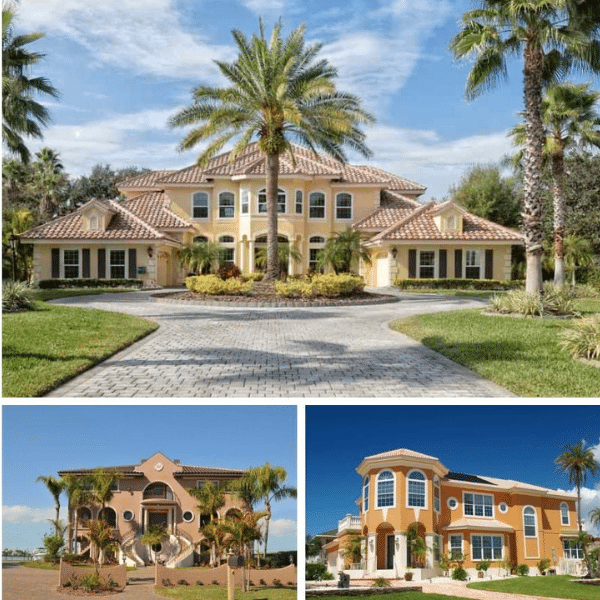
In Utah, we typically use stucco:
- As the primary exterior finish on full remodels and new builds
- Alongside stone or brick for accent walls, columns, and entryways
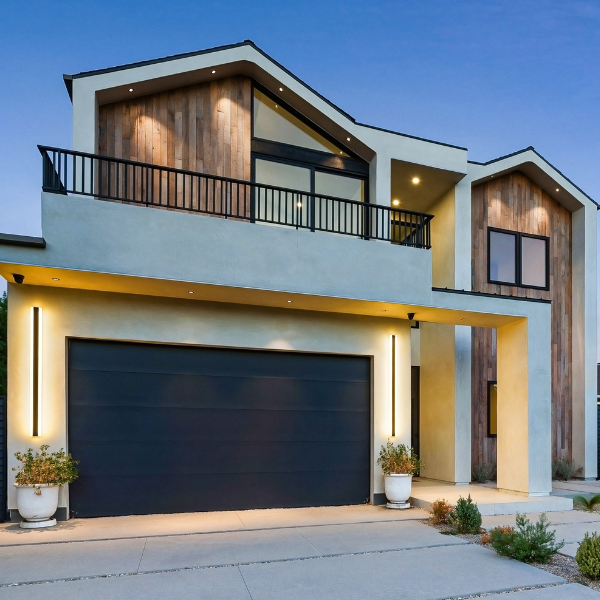
- On both residential and commercial properties, especially in modern and Southwest-inspired designs
It can be applied over wood framing (with the right weather barrier and lath system), over masonry, or as part of an EIFS (Exterior Insulation and Finish System) when added insulation is desired.
Is Stucco A Good Choice For Utah’s Hot Summers And Cold Winters?
Yes, when it’s designed and installed specifically for our climate, stucco performs very well in Utah.
Our area sees intense summer sun, cold winters, freeze–thaw cycles, and occasional wind-driven rain and snow. The key is the system behind the stucco, not just the finish layer.
A well-designed Utah stucco system should include:
- Proper moisture management: high-quality weather-resistive barrier, flashings, and drainage details
- Expansion and control joints: to handle temperature movement and reduce cracking
- Correct mix and thickness: so the stucco is strong but not overly brittle
- UV-resistant finishes: to help color hold up in high-altitude sun
If any of these are skipped or rushed, you can see cracking, moisture intrusion, and premature failure. When they’re done right, stucco can provide decades of protection and curb appeal here.
What Types Of Stucco Systems Are Commonly Used In Utah?
We typically work with three main categories of stucco systems in Utah:
- Traditional (cement-based) three-coat stucco
- Applied over metal lath and building paper or a modern weather barrier
- Very durable and impact-resistant
- Ideal for long-term performance on many Utah homes
- Acrylic / synthetic finish systems
- Use a cement base coat and an acrylic color coat on top
- Offer more flexible, hairline-crack-resistant finishes
- Excellent for bold, uniform colors and modern styles
- EIFS (Exterior Insulation and Finish Systems)
- Adds continuous exterior insulation under the finish
- Can significantly improve energy performance when designed correctly
- Requires experienced installers and proper detailing to manage moisture
Which system is best for you depends on your budget, home design, insulation goals, and HOA or architectural requirements. We often customize the system to the specific neighborhood and elevation, what works in Park City isn’t always identical to what we specify in Salt Lake City or Tooele County.
Stucco Installation Process And Timeline
How Long Does Stucco Installation Typically Take In Utah?
Timeline depends on the size and complexity of the project, but for a typical single-family home in Utah, you can expect:
- Initial planning and color/texture selections: a few days to a week
- On-site stucco work: about 1–3 weeks for most homes
Variables that affect timing:
- Home size and number of stories
- Architectural details (arches, columns, transitions to stone/brick)
- Whether we’re removing old materials first
- Cure times between coats, which are important for durability
We always factor in Utah’s weather patterns, especially at higher elevations like Park City or Summit County, when we create your schedule.
Do Weather And Season Affect When Stucco Can Be Installed?
Absolutely. Stucco is sensitive to temperature, humidity, and wind during installation and curing.
In Utah, we typically plan around:
- Freezing temperatures: Stucco shouldn’t be applied when temps are at or below freezing. In colder months, we may use temporary heat and tenting in some cases.
- Extreme heat and direct sun: Rapid drying can lead to cracking. We often work earlier in the day, use shading, or adjust mixes in hot summer conditions.
- Storms and high wind: Wind-driven rain or dust can damage fresh stucco surfaces.
We install stucco year-round in Utah, but we adjust techniques, scheduling, and protection methods to match the season and local microclimate.
What Are The Main Steps In A Professional Stucco Installation?
A proper stucco exterior installation in Utah goes far beyond just troweling on cement. Our step-by-step process generally includes:
- Assessment and design
- Inspect existing exterior, framing, sheathing, and any moisture issues
- Discuss textures, colors, and system type (traditional, acrylic, EIFS)
- Surface prep and weather barrier
- Remove old siding/stucco if needed
- Install weather-resistive barrier, flashings, and window/door details
- Attach metal lath or EIFS insulation as specified
- Base coats
- Apply scratch coat, then brown coat (for traditional three-coat)
- Allow proper cure time between coats
- Finish coat
- Apply texture and color coat (cement-based or acrylic)
- Work joint placements and edges for a clean look
- Final inspection and cleanup
- Walk-through to check for uniformity, flashing visibility, and sealants
- Tidy up the site and review care instructions
Shortcuts in any of these steps, especially weatherproofing, are where most long-term problems start, so we don’t rush that part.
Costs, Bids, And Financing For Stucco Projects
What Factors Affect The Cost Of Stucco Installation?
Stucco pricing in Utah varies, but the main cost drivers are:
- Square footage and complexity: Larger homes, multiple stories, and lots of corners/arches cost more than simple, flat walls.
- System type: Traditional three-coat vs acrylic finish vs EIFS with insulation.
- Substrate condition: Extra work may be needed if there’s damage, rot, or incorrect existing flashing.
- Accent materials: Blending stucco with stone, brick, or other claddings changes labor and material requirements.
- Access and location: Steep lots, tight access, or higher elevations (like Heber or Park City) can affect labor and staging.
We provide detailed written estimates that separate labor, materials, and any prep or repair work so you can see exactly what you’re paying for.
How Should I Compare Bids From Different Stucco Contractors?
When you compare Utah stucco contractor bids, don’t just line up the bottom-line number. Look for:
- System details: Are they specifying a full three-coat system or something thinner? What type of finish and color coat?
- Moisture management: What weather barrier, flashing, and drainage details are included?
- Scope of prep work: Does the bid include removal of old materials, sheathing repairs, or just “as-is” installation?
- Warranty terms: Length and what exactly is covered on materials and labor.
- Crew experience: Who is actually doing the work, subcontracted day labor or a skilled, consistent crew?
If one bid is significantly cheaper, it’s usually because something is missing, thinner coats, less prep work, or weaker materials. Ask each contractor to walk you through their scope line by line so you’re comparing apples to apples.
Are There Ways To Reduce Costs Or Finance A Stucco Exterior?
We understand a full exterior renovation is a major investment. Some ways homeowners in Utah manage costs include:
- Prioritizing high-impact elevations first (front and street-facing sides) and phasing the rest later
- Choosing a durable but straightforward texture instead of very intricate finishes
- Coordinating multiple exterior updates at once (stucco plus siding or stone accents) to save on setup and staging
- Exploring financing options through home improvement lenders or equity lines
We’re happy to talk about budgeting, phasing, and financing so the project works for you without sacrificing long-term performance.
Building Codes, Permits, And Warranty Considerations In Utah
Do I Need A Permit For Stucco Installation Or Replacement?
In many Utah cities and counties, significant exterior changes, especially full stucco installation or replacement, do require permits. Requirements vary by municipality and whether the work is part of a larger remodel.
As a licensed contractor based in Salt Lake City, we handle permit questions and, when needed, obtain the necessary approvals for our projects in areas like Ogden, Payson, Summit County, Heber, Park City, Morgan County, and Tooele County.
What Local Building Codes Or HOA Rules Should I Know About?
You’ll want to be aware of two sets of rules:
- Local building codes
- Minimum requirements for weather barriers, fire resistance, and energy performance
- Guidelines for installation over different substrates and in different seismic or wind zones
- HOA or neighborhood guidelines
- Approved color palettes and textures
- Limits on mixing materials (stucco vs stone, brick, etc.)
- Requirements for architectural review before construction
We review these early in the process so there are no surprises after the work is underway.
What Kind Of Warranties Should I Expect On Materials And Labor?
For a quality stucco exterior in Utah, you should expect:
- Manufacturer warranties on certain finishes and acrylic coatings
- Contractor workmanship warranty covering installation, typically ranging from a few years to a decade depending on the scope
We clearly outline our warranty coverage in writing, including what’s included (and what’s not), how to make a claim, and what maintenance helps keep your coverage in good standing.
Maintenance, Repairs, And Longevity Of Stucco
How Long Does A Stucco Exterior Last In Utah?
With proper design, installation, and maintenance, a stucco exterior in Utah can last 30–50 years or more. Many older Utah homes still have original stucco that’s performing well with only minor repairs and repainting.
Key factors that affect lifespan:
- Quality of initial installation and moisture detailing
- Exposure to sun, wind, and snow (south- and west-facing walls work harder)
- Ongoing maintenance and prompt repairs
What Routine Maintenance Does Stucco Require?
Stucco is relatively low-maintenance compared to many other claddings, but it isn’t fully “set and forget.” We recommend:
- Annual visual inspection for cracks, stains, or damaged sealants
- Gentle cleaning with low-pressure water and mild detergent if needed
- Re-caulking around windows, doors, and penetrations when sealants age
- Repainting or re-coating every 10–15 years, depending on exposure and finish type
These small steps help prevent minor issues from turning into bigger moisture problems.
How Are Cracks, Stains, And Moisture Issues Repaired?
Most stucco issues can be repaired locally if caught early:
- Hairline cracks: Often filled with flexible sealants or specialty coatings
- Larger cracks or impact damage: Cut out and patched with compatible stucco, then re-textured and color-matched
- Stains or discoloration: Cleaned and, if needed, over-coated with a new finish
- Moisture intrusion: Requires a deeper look, sometimes opening the wall to repair flashing, sheathing, or framing
We start repairs with a thorough assessment. Cosmetic fixes alone won’t last if there’s an underlying water management issue.
Can Stucco Be Painted Or Refinished Over Time?
Yes. Stucco is very flexible in terms of future refreshes:
- Painting with high-quality, breathable exterior paint is common and can dramatically update curb appeal.
- Acrylic re-coats or elastomeric coatings can bridge small cracks, unify color, and add another layer of weather protection.
- Texture changes are more involved but possible in many cases, depending on the existing surface.
When we plan your initial stucco project, we consider how easy it will be to update colors or finishes down the road so your exterior can evolve with your style.
Energy Efficiency, Insulation, And Home Value
Does A Stucco Exterior Improve Energy Efficiency?
Stucco itself isn’t insulation, but as part of a well-designed wall system, it can improve overall energy performance for Utah homes.
Benefits include:
- Fewer air leaks when integrated with a proper weather barrier and sealed penetrations
- Thermal mass that can help moderate temperature swings on sunny walls
- Option for added exterior insulation with EIFS or hybrid systems
Paired with good windows and attic insulation, stucco can contribute to lower heating and cooling loads, especially in areas with big temperature swings like the Wasatch Back.
How Does Stucco Affect Noise, Comfort, And Indoor Air Quality?
Stucco exteriors tend to make homes feel more solid and quiet because of the dense, continuous shell:
- Noise reduction: The multi-layer system helps dampen street and wind noise.
- Even temperatures: Fewer drafts and better air sealing improve comfort in both summer and winter.
- Indoor air quality: Properly installed stucco walls with good moisture management reduce the risk of hidden mold or rot in wall cavities.
The wall system as a whole, not just the stucco, drives these benefits. That’s why we pay as much attention to what’s behind the stucco as the finish you see.
Can Installing Stucco Increase My Home’s Resale Value In Utah?
Yes, high-quality stucco installation can be a strong value-add in many Utah neighborhoods.
Potential benefits include:
- Improved curb appeal that photographs well for listings
- Perception of solidity and quality among buyers
- Reduced maintenance compared with some older siding materials
Buyers in markets like Salt Lake City, Park City, and surrounding counties often respond well to updated, cohesive exteriors that blend stucco with stone or brick accents. A professional stucco remodel can help your home stand out among comparable listings.
Choosing The Right Stucco Contractor In Utah
What Qualifications And Experience Should I Look For?
When you’re choosing a stucco contractor in Utah, look for:
- Proper Utah licensing in the right classification
- Years of experience specifically with stucco and exterior systems
- Portfolio of local projects in climates and neighborhoods similar to yours
- Familiarity with James Hardie and other exterior materials, if you’re mixing claddings
Our team has spent decades focused on Utah exteriors, stucco, stone, brick, siding, and more, so we understand the details that hold up long-term in our region.
How Can I Check References, Licenses, And Insurance?
We encourage you to:
- Ask for recent local references and drive by completed projects if possible
- Verify the contractor’s license status with the Utah Division of Occupational and Professional Licensing
- Request proof of liability insurance and workers’ compensation
- Read Google, Yelp, Angi, and Nextdoor reviews with an eye on patterns, not just star ratings
You can also look through our customer testimonials and project galleries to see real-world results.
Reputable contractors will gladly provide this information and explain exactly who will be on your job site.

How To Decide If Stucco Is The Right Exterior For Your Utah Home
Stucco is a strong option, but it’s not the only one. We typically walk through questions like:
- What’s your architectural style (modern, traditional, mountain contemporary)?
- Are there HOA rules about materials or colors?
- Do you want a low-maintenance exterior with long-term durability?
- Are you combining stucco with James Hardie siding, stone, or brick for contrast?
We use design tools and real project photos to help you visualize different exterior combinations so you can decide if a full stucco system or a mixed-material exterior fits you best.
What Questions Should I Ask Before Signing A Stucco Contract?
Before you commit, make sure you ask:
- Which stucco system are you proposing, and why?
- How will you handle moisture management, flashing, and drainage?
- What is the project timeline, and how will weather delays be handled?
- Who will be on-site supervising the crew?
- What exactly is covered by your warranty, and for how long?
- How will you protect my landscaping, hardscapes, and neighbors’ property during the job?
Clear, detailed answers to these questions are a strong sign you’re working with a contractor who takes your home and Utah’s climate seriously.
Additional Frequently Asked Questions About Stucco Exterior Installation Services in Utah
Contact Burbach for All Your Installation Needs
If you’re ready to explore stucco exterior installation or replacement for your Utah home, we’re here to help you plan it the right way, from design and budgeting to permits, installation, and long-term maintenance.
Our team at Renovation By Burbach specializes in exterior home renovations from Ogden to Payson and throughout Summit County, Heber, Park City, Morgan County, and Tooele County. We combine stucco with stone, brick, siding, and window upgrades to create cohesive, durable exteriors tailored to Utah’s climate.
You can learn more about The Burbach Way and the exterior remodel services we offer, or explore our renovation gallery for inspiration.
Have questions about your specific home, HOA, or neighborhood? Reach out, tell us about your project, and we’ll walk you through options, timelines, and transparent pricing. We can also use our exterior visualizer tools to help you see how different stucco colors and textures will look on your home before any work begins.
When you’re ready, contact Renovation By Burbach at 801-936-1404 to schedule a free, no-pressure exterior consultation and estimate.