
If you’re thinking about updating your home’s exterior in Utah, you’re probably juggling a lot of questions: Which siding holds up best in our dry summers and snowy winters? What does a project really cost? How long will it take, and what should you expect from a contractor?
We’ve put together this FAQ on siding exterior installation services in Utah to answer the most common questions we hear from homeowners across Salt Lake City, Park City, Summit County, Ogden, Tooele, and the surrounding areas.
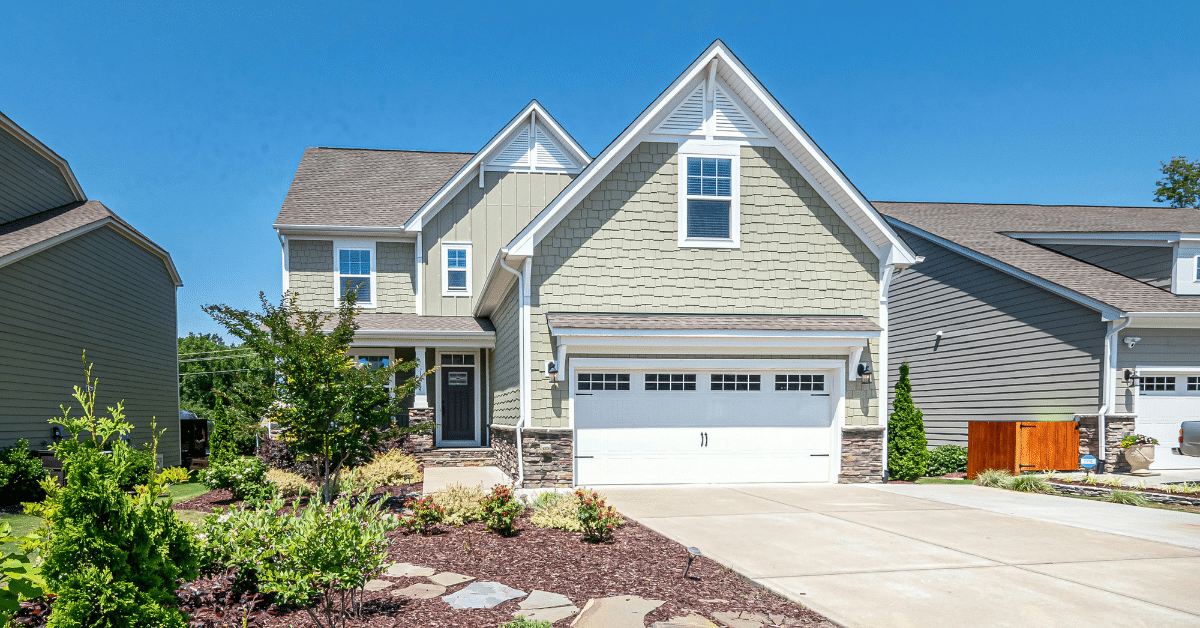
What Types Of Siding Are Best Suited For Utah’s Climate?
Utah’s climate is unique: hot, dry summers, cold winters, high UV exposure, and dramatic temperature swings between day and night. Not every siding system handles those conditions equally well.
How Do Temperature Extremes Affect Different Siding Materials?
Here’s how the most common exterior siding options respond to Utah weather:
Fiber cement (e.g., James Hardie)
- Performance: One of the best choices for Utah homes. It’s highly stable, doesn’t warp with temperature swings, and resists cracking.
- Weather resistance: Excellent against UV, wind, and snow. It won’t rot or attract pests.
- Fire resistance: Non-combustible, which is a plus in many Utah communities.
Engineered wood siding
- Performance: More stable than traditional wood and designed to resist swelling and cracking.
- Weather resistance: Good, but it does require proper sealing and maintenance to keep moisture out at joints and edges.
Vinyl siding
- Performance: Popular for budget-conscious projects, but Utah’s UV and heat can cause fading and, over many years, potential brittleness or warping if the product isn’t high quality or properly installed.
- Weather resistance: Handles moisture well, but can be more vulnerable to impact damage in extreme cold.
Stucco (traditional and EIFS)
- Performance: Very common in Utah. Traditional stucco can perform well when installed correctly with proper drainage and crack control.
- Weather resistance: Needs careful detailing around windows, doors, and transitions to prevent moisture intrusion and freeze–thaw cracking.
Brick and stone veneer
- Performance: Excellent longevity and classic curb appeal.
- Weather resistance: Very durable but still depends on proper moisture management behind the veneer. Mortar joints may need maintenance over the decades.
In most Utah neighborhoods, we find fiber cement siding, stucco, and stone/brick accents give the best balance of durability, look, and long-term value.
Which Siding Options Offer The Best Energy Efficiency In Utah?
Siding alone doesn’t insulate your home, but it works together with house wrap, sheathing, and any added insulation to improve efficiency.
Top energy-efficient options for Utah:
When paired with high-performance house wrap and proper flashing, fiber cement can significantly reduce drafts and heat loss.
- Quality stucco systems with proper backing
A well-detailed stucco system with EIFS and continuous insulation and drainage improves thermal performance and reduces cold spots.
- Insulated vinyl siding
Some vinyl siding products come with built-in foam backing that helps reduce thermal bridging and adds a modest R-value.
We also focus heavily on air sealing, flashing, and window integration. In Utah’s climate, controlling air leakage and moisture often has a bigger impact on comfort and utility bills than the siding material alone.
How Much Does Exterior Siding Installation Cost In Utah?
Costs vary quite a bit from home to home, but we can give you some realistic ranges and what drives them.
What Factors Influence The Total Project Price?
Several elements can raise or lower the price of a siding exterior installation in Utah:
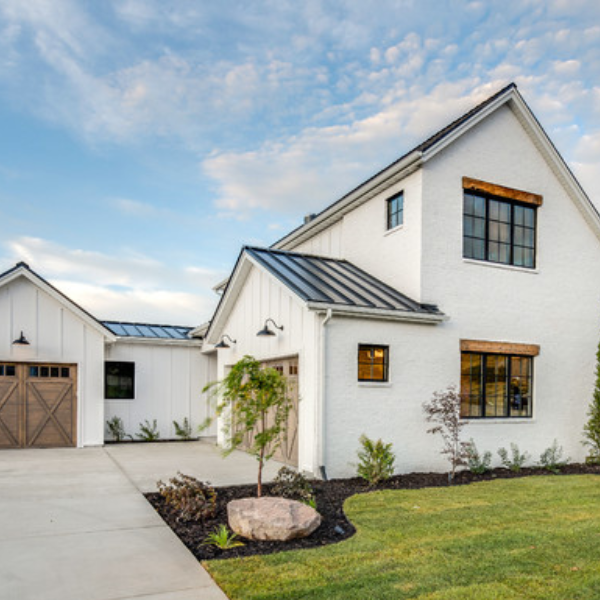
- Home size and complexity
Two homes with the same square footage can be very different in cost. Multiple stories, complex rooflines, lots of corners, and architectural details take more labor and materials.
- Existing condition of your exterior
If your current siding is failing, we may find sheathing damage, moisture issues, or framing repairs that must be addressed before new siding goes on.
- Material selection
James Hardie fiber cement, stone, and brick typically cost more up front than basic vinyl, but they often provide better durability and curb appeal.
- Trim and detailing
Upgraded trim, soffit and fascia, decorative details, and mixed-material designs (for example, fiber cement plus stone accents) will add to the budget but can dramatically transform the look of the home.
- Access and site conditions
Steep lots, tight side yards, or difficult access points in mountain communities like Park City or Heber can increase labor and equipment costs.
How Do Material Choices Compare On Cost And Value Over Time?
Every homeowner has a different balance of upfront budget and long-term value. In general:
- Vinyl siding
- Upfront: Often the lowest initial cost.
- Long-term: Can fade or become brittle over time, and may not add as much resale value as higher-end options.
- Fiber cement (James Hardie)
- Upfront: Mid-to-high range depending on style and trim package.
- Long-term: Excellent durability, strong manufacturer warranties, and very good impact on curb appeal and perceived home value.
- Stucco
- Upfront: Typically mid-range but depends on the system and complexity.
- Long-term: Strong value when installed and maintained properly, especially in Utah’s dry climate.
- Brick and stone veneer
- Upfront: Typically the highest per-square-foot cost.
- Long-term: Exceptional longevity and strong visual impact, often used selectively on key elevations to balance cost and aesthetics.
We always encourage homeowners to look beyond the cheapest option and consider lifespan, maintenance, and resale value. A slightly higher initial investment in the right exterior can save money and headaches over the next 20–30 years.
What Should I Expect From The Siding Installation Process?
Knowing what’s coming helps the project feel less stressful. While every home is different, most siding installations in Utah follow a similar process.
How Long Does A Typical Siding Project Take?
For an average single-family home, the active installation phase usually takes about 7–14 working days, depending on:
- Size and complexity of the home
- Material type (stone/brick and custom details often take longer)
- Weather conditions
- Any underlying repairs we discover once old siding is removed
Larger homes, commercial buildings, or intricate designs can extend beyond that, but we’ll always outline realistic timelines in advance.
What Preparation Is Needed Before Installation Begins?
We handle the heavy lifting, but a little preparation on your side makes the process smoother:
- Exterior access
Move patio furniture, grills, and décor away from walls. Clear access to gates and driveways where possible.
- Landscaping awareness
We’ll do our best to protect your landscaping, but trimming back heavy shrubs or branches near the house helps our crews work more safely and efficiently.
- Interior considerations
Siding work is mainly outside, but there will be some vibration. We encourage you to remove fragile items from shelves or walls on the exterior perimeter.
- Pets and family plans
There will be noise and people on site. Deciding how to manage pets and children during work hours is helpful.
Before we start, we’ll walk around the home with you, discuss any special concerns, and explain where materials and equipment will be staged.
How Are Weather Delays And Seasonal Conditions Handled In Utah?
Utah weather can be unpredictable, snow in April, hot days in October, so we plan carefully:
- Cold weather: Certain materials have minimum temperature requirements for installation and painting. In very low temps, we may adjust the schedule to protect product performance and warranties.
- Wet or snowy days: If conditions could compromise your home or the quality of installation, we pause work and secure the home before leaving the site.
- Seasonal planning: Spring, summer, and early fall are the busiest times for exterior remodeling. If you’re targeting those seasons, scheduling ahead is wise.
Our priority is always to protect your home while delivering a clean, durable installation that stands up to Utah’s climate.
How Do I Choose A Reliable Siding Contractor In Utah?
The right siding contractor can make the difference between a smooth transformation and a stressful experience. We always encourage homeowners to do a bit of assignments.
What Licenses, Insurance, And Warranties Should I Look For?
When you’re evaluating a siding contractor in Utah, verify:
- Utah contractor’s license in the appropriate classification
- General liability insurance to protect your property
- Workers’ compensation coverage for crew members
- Written warranties on both materials and workmanship
Ask for proof of all three in writing. Reputable contractors won’t hesitate to share documentation.
What Questions Should I Ask During An Estimate?
Use the estimate meeting to understand not just the price, but the process and the team:
- What siding materials do you recommend for my area and why?
- How will you handle moisture barriers, flashing, and integration with windows and doors?
- Who will be on site managing the crew each day?
- How will you protect my landscaping and clean up after the project?
- What is the realistic project timeline, and how do you communicate schedule changes?
- Can I see local projects you’ve completed and read recent testimonials?
The way a contractor answers these questions tells you a lot about how they work and how they’ll treat your home.
How Can I Compare Quotes Fairly Between Installers?
Not all bids are created equal. To compare them fairly:
- Match materials: Make sure each quote is using the same or equivalent siding, trim, and house wrap products.
- Check scope of work: Confirm what’s included, tear-off, disposal, sheathing repair, caulking, painting, permits, and cleanup.
- Look at warranty terms: A slightly higher price with a stronger warranty and proven track record may offer better long-term value.
- Weigh experience with Utah exteriors: A contractor familiar with our climate and local building practices will know how to prevent the issues we see here most often.
Price matters, but reliability, craftsmanship, and communication are what you’ll remember years down the road.
How Long Will My New Siding Last And How Do I Maintain It?
When you invest in new exterior siding, you want to know how long it will look good and protect your home, especially in a place like Utah where the weather can be harsh.
Recommended Maintenance Schedule For Utah Homes
Different materials have different needs, but as a general rule for our region:
- Annual inspection: Walk around your home at least once a year. Look for cracks, gaps, peeling caulk, or damaged areas.
- Cleaning: Rinse siding with a garden hose and soft brush if needed to remove dust, cobwebs, and pollution. Avoid high-pressure settings that can force water where it doesn’t belong.
- Caulking and sealants: Check joints around windows, doors, and trim every 1–2 years and re-caulk as needed. Our dry air and temperature swings can wear sealants faster than in milder climates.
- Painting (where applicable):
- Fiber cement and engineered wood typically need repainting every 10–15 years, depending on product and exposure.
- Stucco can often go longer, but hairline cracks and faded color may cue you that it’s time for maintenance.
Common Signs Your Siding Needs Repair Or Replacement
Watch for these early warning signs:
- Warping, buckling, or visibly loose boards or panels
- Cracked, crumbling, or separating stucco
- Soft or spongy areas indicating possible moisture damage behind the siding
- Blistering or peeling paint that returns quickly after repainting
- Noticeable drafts, higher energy bills, or cold walls near exterior surfaces
- Persistent water staining or mold growth around windows or siding joints
Catching these issues early can mean the difference between a simple repair and a more extensive replacement.
Can I Repair Sections Or Should I Replace All My Siding?
It depends on the age of the siding, the extent of damage, and your long-term goals.
Spot repairs can make sense when:
- The issue is localized (for example, damage from a sprinkler head or a small impact).
- The majority of the siding is in good condition and relatively modern.
- Matching the existing material and color is feasible.
Full or major replacement is often better when:
- The siding is nearing the end of its expected lifespan.
- There are widespread moisture or structural issues behind the siding.
- You’re ready to significantly improve curb appeal and resale value.
- You want to upgrade to a more durable or energy-efficient system suited to Utah’s climate.
During an on-site consultation, we evaluate these factors with you so you can decide whether a targeted repair or a full exterior renovation makes more sense.
Are There Building Codes, HOA Rules, Or Permits To Consider In Utah?
Utah’s cities and counties each have their own requirements, and many communities along the Wasatch Front and Wasatch Back are governed by HOAs with design guidelines.
Typical Permit Requirements For Siding Projects
Whether you need a permit for siding replacement depends on your local jurisdiction.
In many Utah cities:
- Like-for-like siding replacement may not require a full building permit, but rules vary.
- Structural changes, wall repairs, or major alterations to openings (like changing window sizes) are more likely to involve permits and inspections.
- Energy code and fire-resistance requirements can influence the types of materials approved for use, especially in certain zones.
As licensed professionals, we stay current with local codes in Salt Lake City, Summit County, Utah County, Tooele County, and surrounding areas and can guide you through any required approvals.
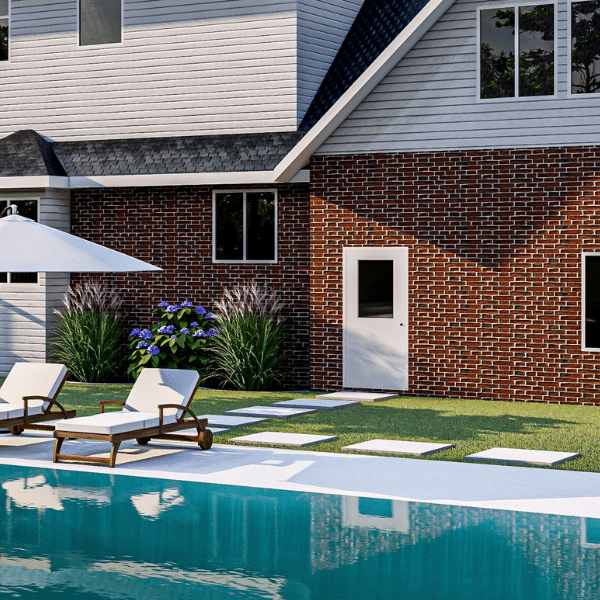
Working Around HOA Guidelines And Design Rules
If you live in an HOA community, you’ll usually need design approval before changing your exterior.
Common HOA requirements include:
- Approved color palettes and finish options
- Restrictions on certain materials or textures
- Requirements for brick, stone, or stucco accents on specific elevations
- Guidelines for trim, fascia, and architectural details
We often help homeowners prepare simple submittals, showing selected materials, colors, and elevations, so HOA boards can review and approve the planned look before work begins. Getting this step right up front avoids delays once the project is underway.
Additional Frequently Asked Questions About Siding Exterior Installation Services in Utah
Contact Burbach for All Your Installation Needs
If you’re considering new siding or a full exterior makeover anywhere from Ogden to Payson, or in communities like Park City, Heber, Morgan, and Tooele, we’re here to help.
We specialize in fiber cement (James Hardie), stucco, stone, brick, soffit and fascia, rain gutters, and window installation, all tailored to Utah’s climate and local styles. Our team focuses on clear communication, detailed planning, and clean, precise installations.
You can reach Renovation By Burbach at 801-936-1404 or via our contact page to:
- Request a free estimate for your home or commercial exterior
- Schedule a no-pressure consultation to review siding options and timelines
- Explore design ideas in our renovation gallery and see how new siding, stone, or stucco can transform your property
Whether your goal is better curb appeal, lower maintenance, or higher resale value, we’re ready to walk you through every step of your siding exterior installation in Utah, from initial vision to final walkthrough, backed by flexible financing options.