
Thinking about adding stone or brick to your Utah home? You’re not alone. Across Utah, more homeowners are turning to masonry exteriors for timeless curb appeal, better protection, and long-term value.
We’ve pulled together this FAQ on stone and brick exterior installation in Utah to answer the questions we hear most, including cost and climate performance, permits, HOAs, and how to choose the right contractor. If you live anywhere from Ogden to Payson, Park City to Tooele, this guide will help you plan your project with confidence.
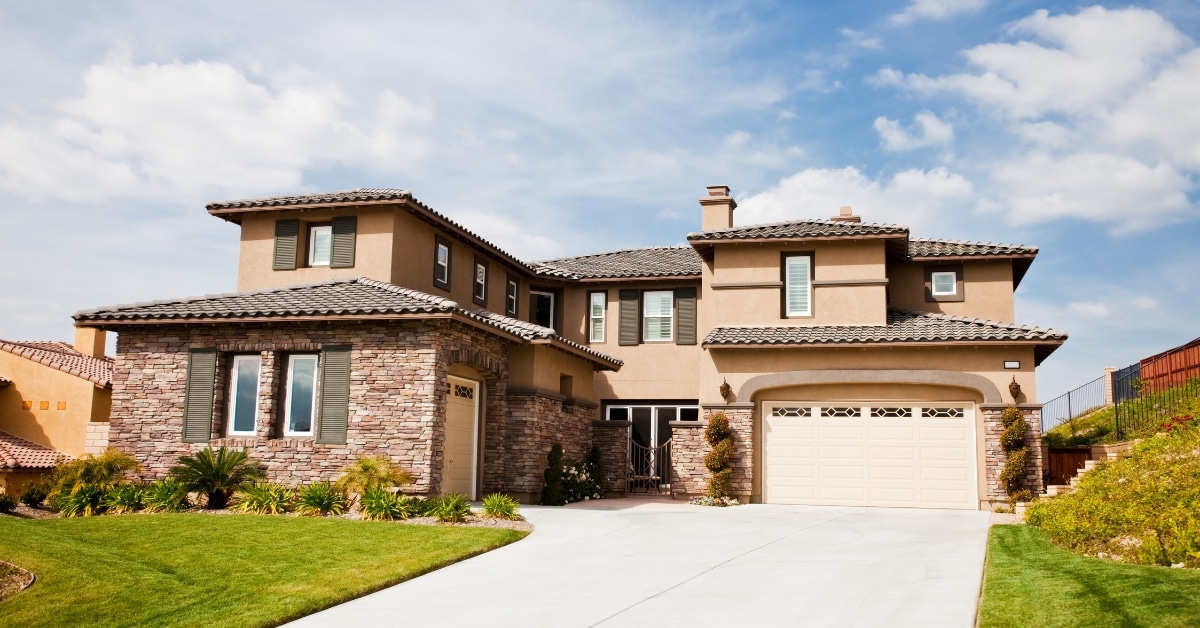
What Are The Main Differences Between Stone, Brick, And Veneer?
When we talk through options with homeowners, we usually break them into three broad categories:
1. Full-bed natural stone or brick
- Thickness/weight: Thicker and heavier: typically 3–4 inches deep.
- Support: Often needs a footing or ledge and a more robust structural design.
- Feel/performance: Extremely durable and authentic, you’re getting the “real thing” throughout.
2. Thin veneer stone or brick (natural or manufactured)
- Thickness/weight: Much lighter and thinner (usually around 1–2 inches).
- Installation: Can be installed on framed walls with the proper weather barrier, lath, and mortar bed.
- Flexibility: Ideal for accent walls, chimneys, gables, and partial-height wainscoting.
3. Manufactured stone veneer
- Material: Concrete-based products molded and colored to look like natural stone.
- Cost: Typically more affordable than full-bed natural stone.
- Variety: Broad range of colors and profiles, from rustic ledge stone to clean, modern lines.
Functionally, veneer systems (both brick and stone) are the most common for Utah exterior remodels. They reduce structural demands, speed up installation, and let us customize the design without the cost of full masonry construction.
For many homes, pairing masonry with high-performance siding creates a balanced, durable exterior that fits both style and budget.
Which Exterior Materials Work Best In Utah’s Climate?
Utah’s climate is tough on exteriors: intense UV, hot summers, cold winters, and frequent freeze–thaw cycles. That’s why material choice and installation details matter more here than in milder regions.
In our experience, the best-performing masonry options for Utah homes are:
- Quality brick veneer rated for exterior use in freeze–thaw climates.
- Natural stone veneer from reputable quarries with low water absorption.
- Premium manufactured stone that meets ICC/ASTM standards and is installed over the correct moisture barrier and drainage system.
We also look carefully at:
- Moisture management: Proper flashing, weep systems, and drainage planes behind the veneer.
- Freeze–thaw durability: Materials and mortars designed for repeated cycling.
- Sun exposure: UV-resistant color systems for manufactured stone and mortar.
Done right, stone and brick exteriors are some of the most durable choices you can make for a Utah home.
How Do I Choose Between Natural Stone And Manufactured Stone?
We usually walk homeowners through three main considerations:
- Aesthetics
- Natural stone: Every piece is unique: the color variation is organic and subtle. Great for high-end, custom looks and mountainous areas like Park City and Heber.
- Manufactured stone: Extremely consistent and predictable: easier to match colors from samples and inspiration photos.
- Budget
- Natural stone veneer: Typically costs more for both materials and labor.
- Manufactured stone: More budget-friendly while still delivering a premium appearance.
- Project type
- For full-home cladding or large surface areas, manufactured stone often gives the best blend of cost, weight, and visual impact.
- For focal points (entry columns, chimney, front porch), many homeowners splurge on natural stone.
In a design consultation, we’ll often use our visualizer tool to show you how both natural and manufactured stone options would look on your actual home so you can compare before you commit.
Costs, Estimates, And Budget Considerations
How Much Does A Stone Or Brick Exterior Typically Cost In Utah?
Actual pricing depends on your home and design choices, but to give you a ballpark for Utah projects:
- Manufactured stone veneer: Often the most cost-effective way to get a full stone look.
- Brick veneer: Usually sits in the mid-to-upper range depending on brick type and patterns.
- Natural stone veneer: Typically at the higher end because of material and labor intensity.
Because there’s so much variation, wall height, number of corners, prep work, and access, we always recommend a site visit and written estimate. That lets us give you a realistic range instead of a generic number that may or may not fit your specific home.
What Factors Influence The Final Price Of Installation?
When we prepare a quote for stone or brick exterior installation in Utah, we look at:
- Square footage and coverage: Full house vs. front elevation vs. partial wainscoting.
- Material choice: Natural stone, manufactured stone, or brick, and specific product line.
- Existing conditions: Removing old siding or stucco, repairing sheathing, addressing damage.
- Wall complexity: Corners, arches, columns, bump-outs, and special details.
- Height and access: Two-story walls, steep lots, or difficult access can increase labor costs.
- Flashing and waterproofing needs: Windows, doors, decks, and roof intersections that need additional detailing.
- Scaffolding and safety requirements: More complex setups add time and cost.
A clear, itemized estimate should show you where the money is going and which parts of the scope drive the budget.
Can I Install Stone Or Brick On Just Part Of My Home To Save Money?
Yes, and this is one of the smartest strategies for maximizing impact while controlling cost.
We frequently design projects where we:
- Add stone wainscoting on the lower 3–4 feet of the front elevation.
- Highlight the entry, porch, or columns with stone or brick.
- Accent chimneys, gables, or garage surrounds for added depth and texture.
By combining masonry with other premium materials like James Hardie siding, you get a high-end look without wrapping the entire house in stone or brick. During an estimate, we can sketch out options at different price points, so you can choose the mix that fits your budget and goals.
If you’re also considering replacing old cladding, exploring siding remodel options can be a smart way to coordinate the entire exterior.
Installation Process And Project Timeline
What Does The Typical Stone Or Brick Installation Process Look Like?
While every home is different, most Utah stone or brick exterior installations follow these steps:
- Assessment & design
We inspect the existing exterior, take measurements, discuss design goals, and review product options and colors (often using our visualizer).
- Proposal & scheduling
You receive a detailed proposal. Once approved, we schedule your project and order materials.
- Site prep
- Protect landscaping and hardscapes where we’ll be working.
- Remove existing siding or stucco in the work areas as needed.
- Inspect and repair sheathing or framing if we find damage.
- Moisture barrier & lath
We install code-compliant weather-resistant barriers, flashings, and metal lath (for stone veneer) to create a solid base.
- Masonry installation
Our masons set each stone or brick, maintain consistent joints, and shape or cut pieces for a balanced pattern. Corners and transitions get special attention.
- Detailing & clean-up
Mortar joints are tooled and cleaned, surfaces are brushed, and we remove debris and protection once everything is cured.
Throughout the process, we keep you updated, so you know what’s happening each week.
How Long Does A Typical Exterior Installation Project Take?
Timelines vary with project size and weather, but here’s a rough guide for Utah homes:
- Smaller accent projects (entryways, porch columns, partial wainscoting): a few days to a week of active work.
- Single-elevation remodels (front of home only): typically 1–2 weeks.
- Full-home stone or brick projects: can range from 2 to 4+ weeks, depending on complexity.
Weather, especially in winter or during heavy rain, can affect curing times and safety, so we plan our schedule around Utah’s seasonal conditions.
Will I Need To Move Out Or Clear The Entire Yard During Installation?
You won’t need to move out. We complete most stone and brick installations while families continue living in the home.
What we do ask is:
- Clear areas near the walls where we’ll be working (patio furniture, grills, décor).
- Keep vehicles away from work zones and material staging areas.
- Secure pets and kids while crews are on-site for safety.
We’ll go over specific access needs before we start so you know exactly what to move and what can stay.
Building Codes, Permits, And Safety In Utah
Do I Need A Permit For Stone Or Brick Exterior Work In Utah?
In many Utah cities and counties, exterior cladding changes, including stone and brick, do require permits, especially if we’re:
- Removing existing siding or stucco.
- Adding significant weight to the structure.
- Altering window or door openings.
Requirements vary by municipality (Salt Lake City, Park City, Ogden, etc.), so we always check local regulations. In most cases, we handle the permitting process as part of your project so you’re not left guessing what’s required.
Are There Specific Building Codes Or HOA Rules I Should Know About?
Yes, and they’re important to get right from the start.
On the code side, we follow the applicable versions of the International Residential Code (IRC) and local amendments, which govern:
- Weather barriers and flashing.
- Anchoring and support for masonry veneer.
- Fire-resistance and separation from property lines.
On the HOA side, rules can cover things like:
- Approved colors, materials, and masonry percentages.
- Height of wainscoting and where stone/brick can be used.
- Architectural style requirements for communities in places like Park City and Summit County.
We always recommend homeowners review HOA guidelines early and, if needed, submit design drawings or samples for approval before we start.
How Are Structural And Fire-Safety Requirements Addressed?
For structural safety, we:
- Confirm that walls and foundations can handle the added load of stone or brick veneer.
- Use proper anchors, ties, or lath systems specified by code and manufacturer instructions.
- Pay special attention to taller walls, chimneys, and areas with seismic or wind considerations.
For fire safety, masonry is naturally non-combustible and can help improve exterior fire resistance when installed to code. We coordinate with your existing wall assemblies to maintain or improve required fire ratings and clearances around openings.
In short, we treat stone and brick as both design features and critical parts of your home’s building envelope and safety system.
Durability, Weather Resistance, And Maintenance
How Do Stone And Brick Hold Up To Utah’s Freeze–Thaw Cycles?
When we use appropriate materials and follow the best installation practices, stone and brick exteriors perform very well in Utah’s freeze–thaw environment.
Key factors that protect your home include:
- Low water absorption materials: Less moisture means less expansion when temperatures drop below freezing.
- Proper drainage plane: Water that gets behind the veneer has a path to escape, instead of getting trapped.
- Correct mortar mixes and jointing: Reduce cracking and water intrusion points.
We’ve seen quality masonry veneer stand up for decades across the Wasatch Front. Most premature failure comes from poor detailing, not from the materials themselves.
What Maintenance Do Stone And Brick Exteriors Require?
Stone and brick are relatively low-maintenance compared to wood or certain synthetic materials, but they’re not completely “set it and forget it.” We recommend:
- Annual visual inspections for cracks, missing mortar, or loose pieces.
- Gentle cleaning with low-pressure water and masonry-safe cleaners to remove dirt and efflorescence.
- Repointing small mortar cracks before they grow and allow more water in.
- Keeping sprinklers and downspouts from continually soaking the masonry.
For most Utah homeowners, this amounts to occasional cleaning and minor touch-ups over the life of the exterior.
Will My Stone Or Brick Fade, Crack, Or Spall Over Time?
Over many years, some natural weathering is expected, but serious problems usually point to underlying issues.
- Color fading:
- Natural stone: Typically holds its color very well, though lighter stones can show dirt more.
- Manufactured stone and brick: Quality, UV-stable pigments minimize noticeable fade. Avoid harsh cleaners that can strip color.
- Cracking:
- Hairline cracks in mortar joints are common and usually cosmetic.
- Larger cracks often indicate movement or inadequate control joints and should be evaluated.
- Spalling (flaking):
- Usually caused by trapped moisture repeatedly freezing and expanding.
- Proper flashing, drainage, and good materials dramatically reduce this risk.
If we install your stone or brick exterior, we’ll go over specific care tips for your chosen product and how to spot early warning signs before they become real issues.
Choosing An Installer And Preparing For Your Project
What Should I Look For When Choosing A Stone Or Brick Contractor?
The quality of installation can matter more than the brand of brick or stone you pick. When you’re comparing Utah exterior remodelers, look for:
- Local experience: Years of work specifically in Utah’s climate and along the Wasatch Front/Back.
- Specialization in exteriors: A deep focus on siding, stucco, stone, and brick, not a generalist who “also does masonry sometimes.”
- Manufacturer partnerships: Familiarity with major stone and brick manufacturers and their installation guidelines.
- Portfolio and references: Real before/after photos and verifiable customer reviews in cities like Salt Lake City, Park City, and Ogden.
- Licensing and insurance: Proper credentials and coverage for your protection.
- Transparent estimates: Clear scopes of work, materials listed by name, and realistic timelines.
What Questions Should I Ask During An Estimate Visit?
We encourage homeowners to ask detailed questions. Some good ones include:
- What type and brand of stone/brick do you recommend for my home and why?
- How will you handle moisture barriers, flashing, and drainage behind the veneer?
- Will you remove my existing siding/stucco, and how will you repair any damaged sheathing?
- How long will the project take, and what will day-to-day work look like?
- Who will be on-site managing the crew?
- What warranties do you provide on both materials and workmanship?
- How will you protect my landscaping, driveway, and neighboring areas?
The answers should give you a clear picture of how organized, experienced, and safety-conscious the contractor is.
How Can I Prepare My Home And Site Before Work Begins?
A little prep on your end makes the installation smoother and faster. Before we arrive, we’ll typically ask you to:
- Clear the work zone: Move décor, furniture, grills, and potted plants away from exterior walls.
- Plan parking and access: Make room for trucks, trailers, and deliveries.
- Notify neighbors: Let them know about the upcoming work, especially in tighter neighborhoods or HOAs.
- Secure valuables and pets: Keep pets inside or in a safe area and secure gates that workers may need to access.
- Review design choices: Confirm stone/brick selections, mortar color, and layout details in advance.
We’ll walk you through a project-specific prep checklist during your pre-construction meeting so nothing’s left to guesswork.
Additional FAQs About Stone & Brick Exterior Installation in Utah
Contact Burbach for All Your Installation Needs
If you’re considering a stone or brick exterior in Utah, whether it’s a full-home transformation or an accent project, we’re here to help you plan it the right way from day one.
We serve homeowners and businesses from Ogden to Payson, including Summit County, Heber, Park City, Morgan County, and Tooele County, with exterior remodeling that’s tailored to Utah’s weather, styles, and building codes.
Our team can:
- Walk you through stone vs. brick vs. manufactured veneer options.
- Use our visualizer tool to preview different looks on your actual home.
- Provide a detailed, written estimate with clear timelines.
- Coordinate permits, inspections, and HOA requirements.
- Install your new exterior with the craftsmanship and care your home deserves.
To talk through ideas, ask questions from this FAQ, or schedule a free, no-pressure estimate, you can reach our team at 801-936-1404 or use our contact page.